Monthly Water Testing Results & Certification

Review monthly water test outcomes, including coliform bacteria, nitrate, and PFAS levels. Understand key water quality indicators with clear explanations designed for homeowners.
Water Testing Results
Schedule and Access to Latest Water Quality Reports for Marvin Estates Homeowners
Water testing & common questions
Why is my drinking water discolored?
Brown or yellow water from either tap on the FIRST DRAW: Discolored water can be the result of controlled and uncontrolled events in the distribution system. Causes include main breaks, use of hydrants for fire-fighting activity and water main flushing procedures. Though these events are temporary and, in most cases, harmless.
Who Regulates the Water We Drink?
Several agencies regulate water quality in the U.S. The EPA monitors tap water, while the Idaho Department of Water Quality enforces state standards. Municipalities must meet federal and state water quality requirements.
What are Water Contaminants?
The EPA’s Safe Drinking Water Act (SDWA) broadly defines contaminants as anything other than water molecules. Not all contaminants are harmful; for example, dissolved minerals present in most U.S. water do not pose health risks.
What is Coliform (TC)?
Total Coliform (TC) bacteria are commonly found in soil, surface water, on plants, and in the intestines of humans and warm-blooded animals. The presence of TC bacteria in water indicates that contamination has entered the water supply. Most TC bacteria are not harmful, but some can cause illness.
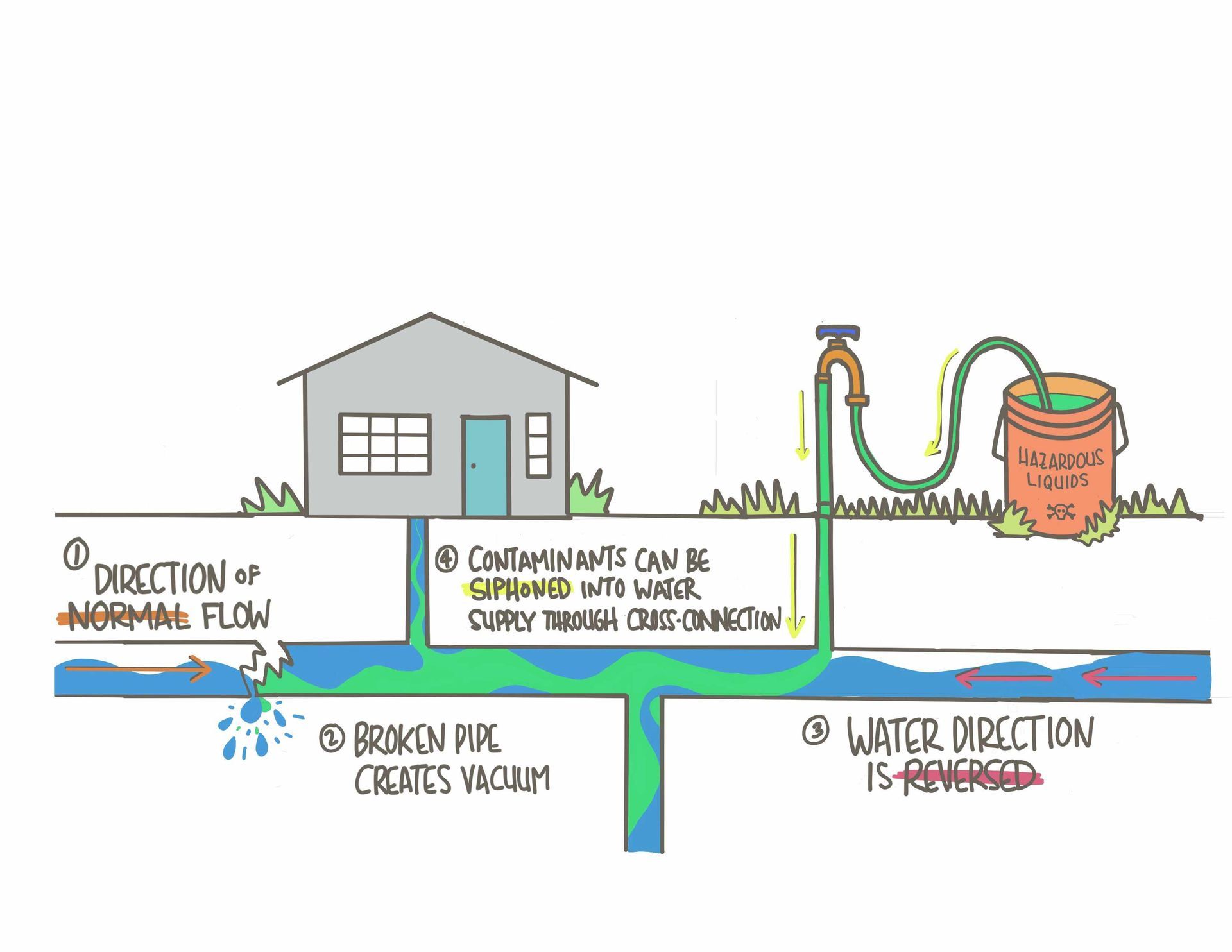
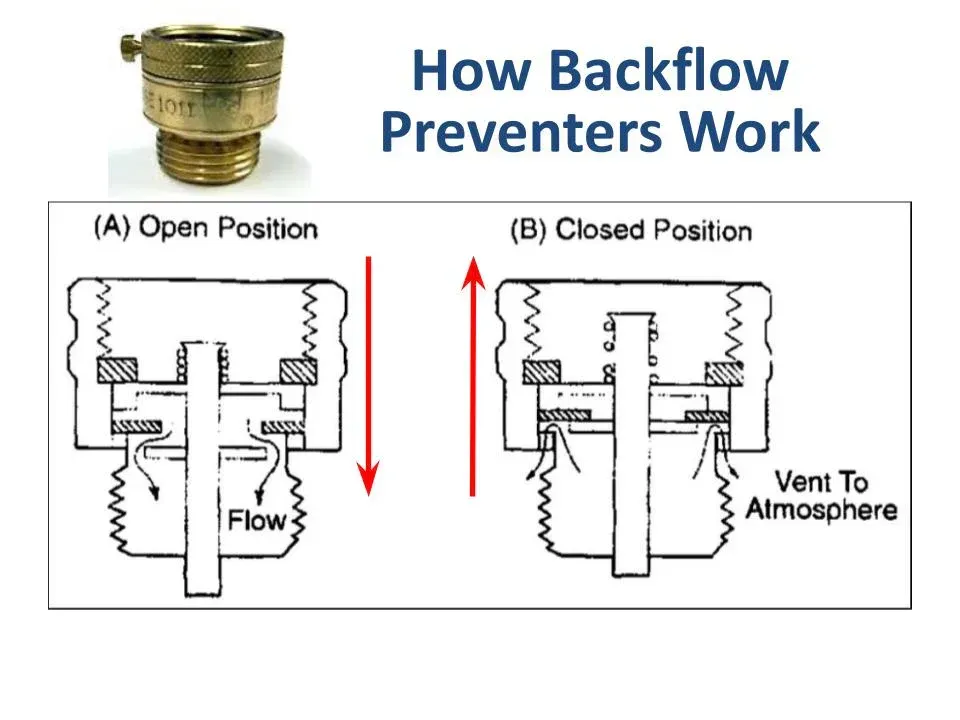
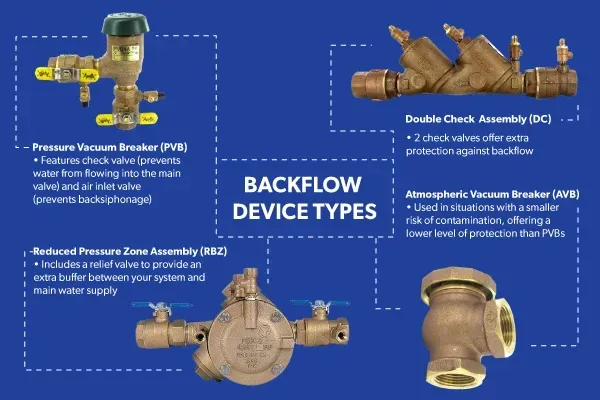
Why do I need a backflow preventor or anti siphon device?
They protect your potable drinking water from contamination by fertilizers, pesticides, and bacteria. It prevents dangerous back-siphonage caused by pressure drops and is legally required by building codes and the IDEQ. A mechanical device designed to prevent backflow that can be tested in line. Each assembly should contain two resilient seated shut off valves, test cocks for testing purposes, and a backflow prevention unit. Types of assembly will be determined by degree of hazard and backflow condition.
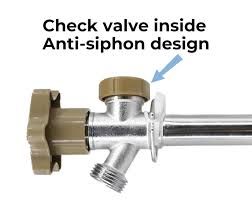
Is an anti-siphon valve the same as a backflow preventer?
No. Anti-siphon valves are above-ground, zone-specific valves that prevent back-siphonage. Used on hose bibs and yard hydrants. They do not need to be tested annually.
Do I have to have my backflow preventer tested?
Yes, you are required to have your backflow preventer tested annually by a certified professional. These devices are mandated by local water authorities (IDEQ). Backflows are to protect public water supplies from contamination. Failure to test can result in fines or water service disconnection
Understanding Your Water Quality Results

Our monthly water tests measure key indicators like coliform bacteria, nitrates, and PFAS to ensure your drinking water meets safety standards. Each metric reflects specific aspects of water purity and potential health impacts.
For homeowners, safe levels mean water is free from harmful bacteria and contaminants. If any value exceeds limits, we promptly notify residents and take corrective action. Detailed reports are available for download to keep you informed about your water quality.